Dock Flow Example: Configuring security settings
Preview this Dock user flow: Configuring security settings. Explore the opening screens.
Preview these flows

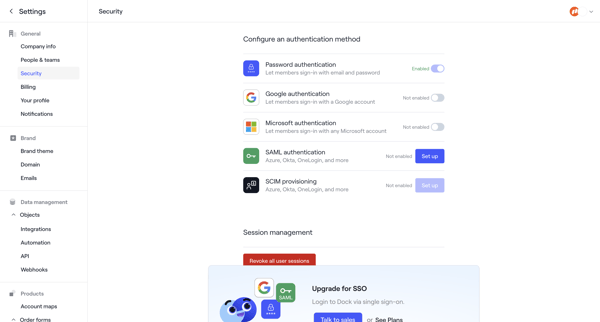
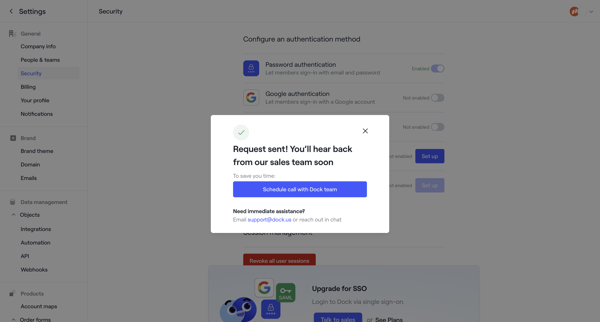
User opens Security in settings sidebar, reviews and toggles authentication methods (password enabled, Google/Microsoft/SAML not enabled), views session management and SSO upgrade prompt, then triggers sales contact request resulting in success modal
Related user flows

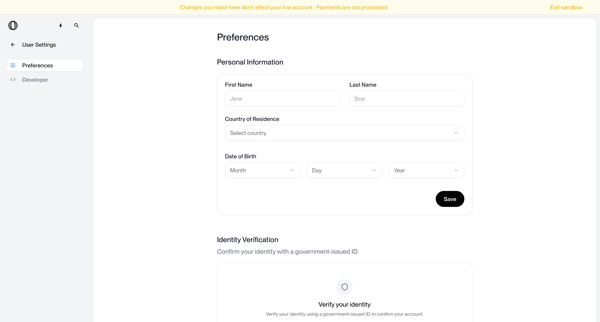
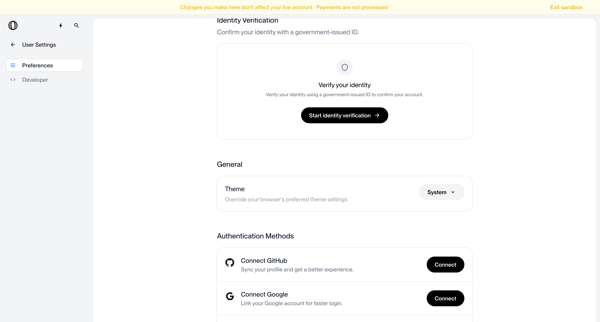
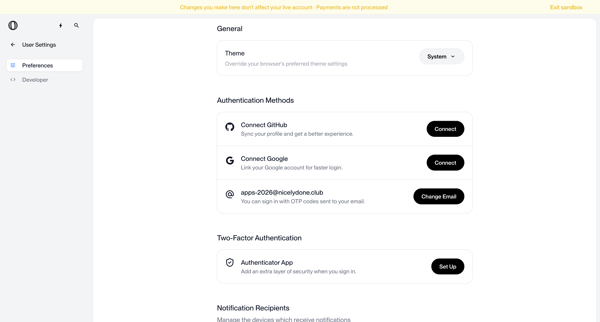
User configures personal information, identity verification, theme, authentication methods, MFA, notifications, and account deletion options across settings screens in sandbox mode


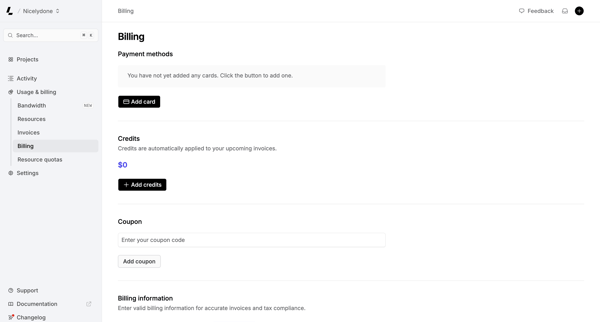
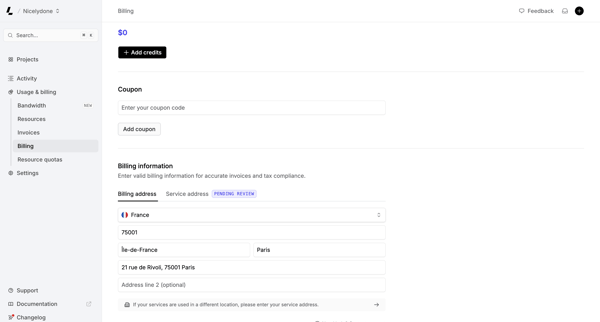
User views and manages payment methods, credits, coupons, and billing address on the billing settings page

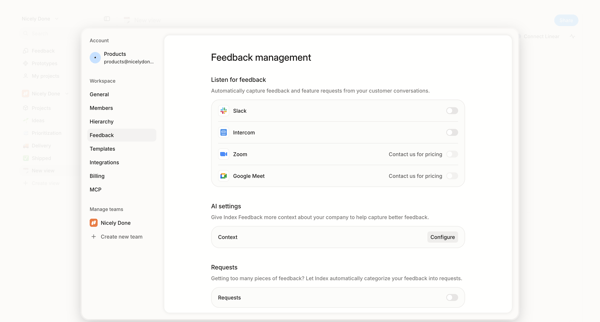
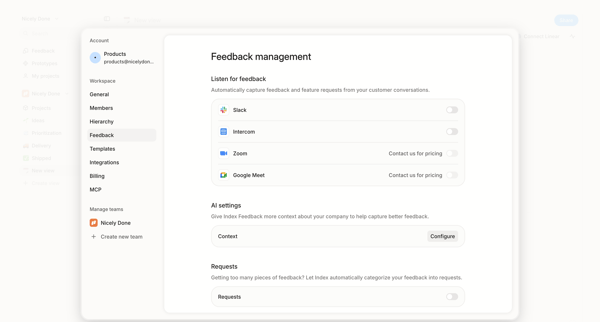
User configures workspace feedback ingestion sources including Slack and Intercom integrations, AI context rules, and request categorization in Alloy settings.

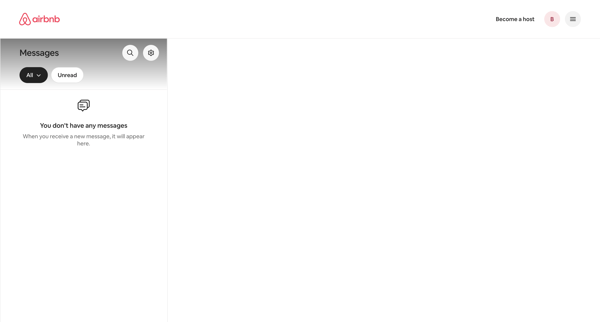
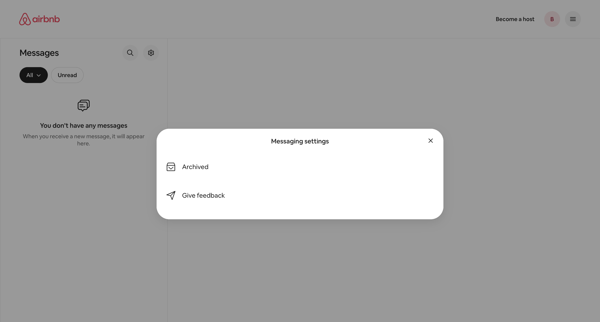
User accesses messaging settings modal from empty inbox to manage archived messages or provide feedback

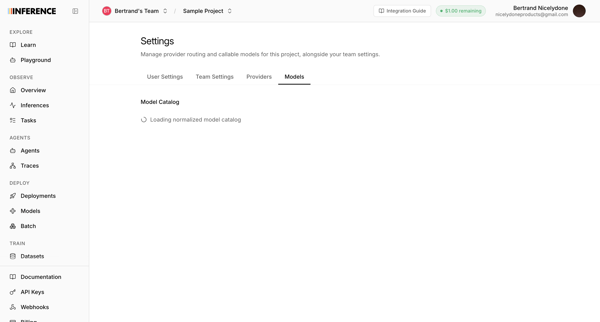
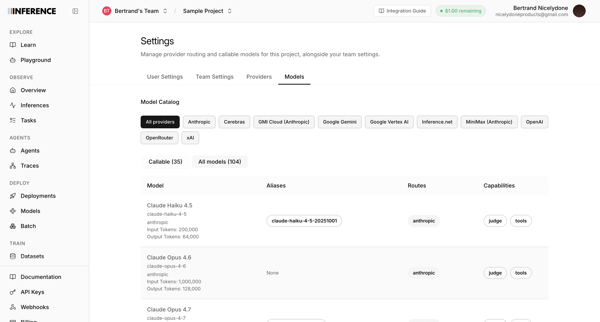
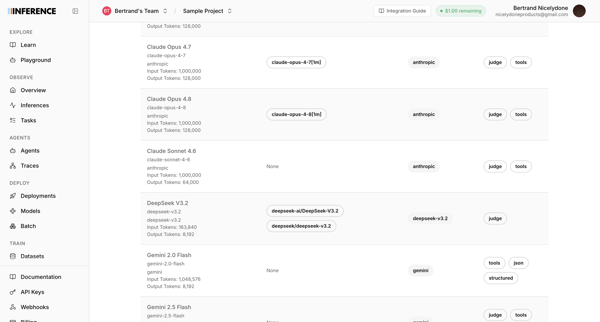
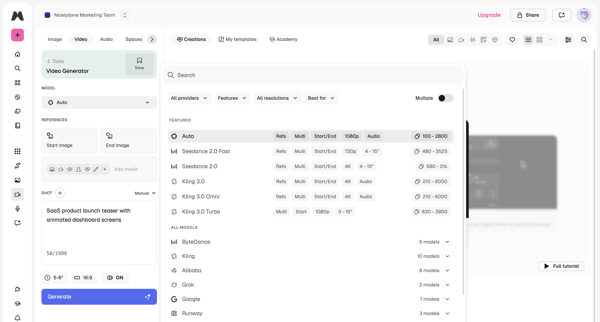
User accesses AI model catalog settings to manage provider routing, filter models by provider, and review token limits and capabilities across multiple list and table views


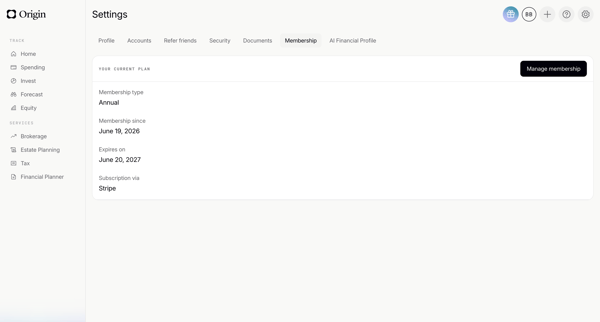
User enters membership settings after loading to view annual plan, expiration, membership date, and Stripe billing provider

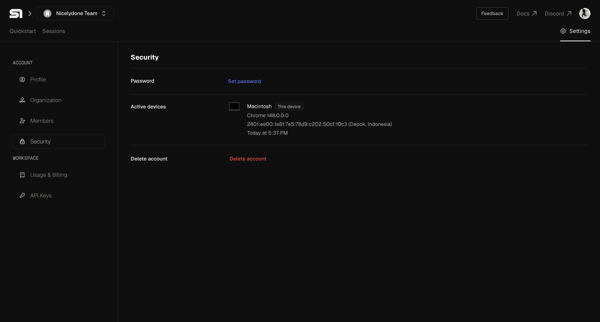
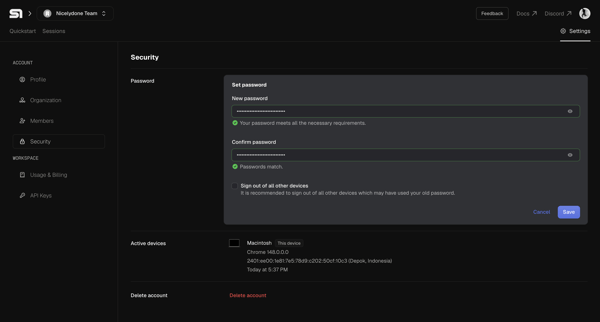
User views and edits security settings including password and active device sessions in Steel app

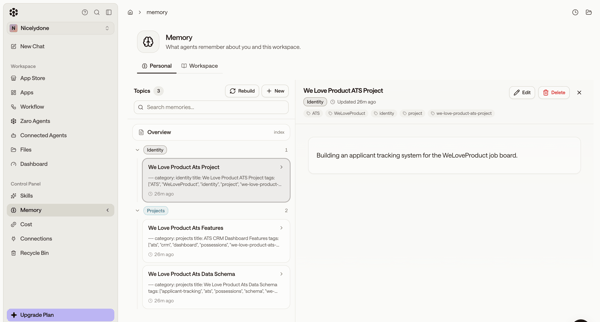
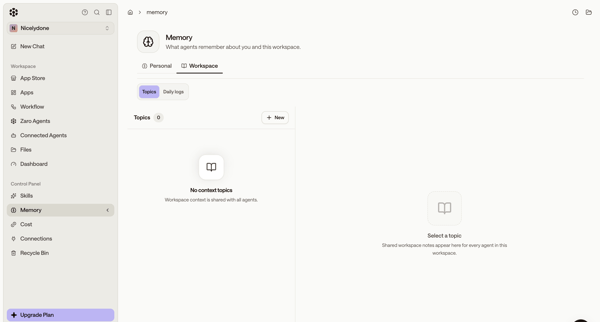
User manages AI agent memory topics for self and workspace via settings pages in default master-detail or empty states

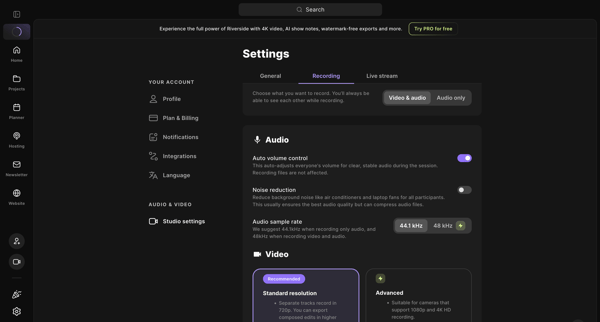
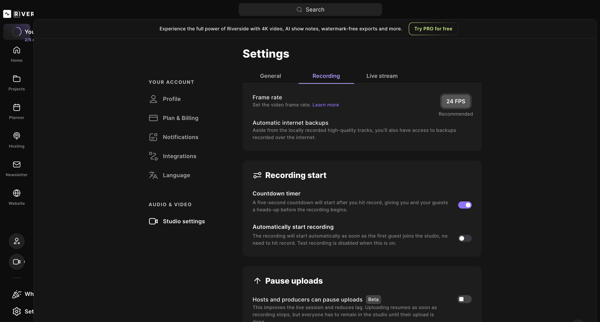
User opens studio recording settings and adjusts audio/video options, frame rate, backups, and related toggles

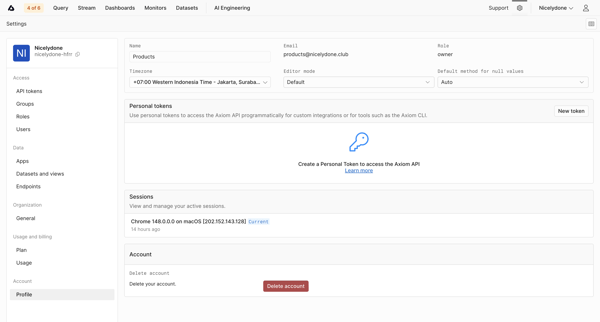
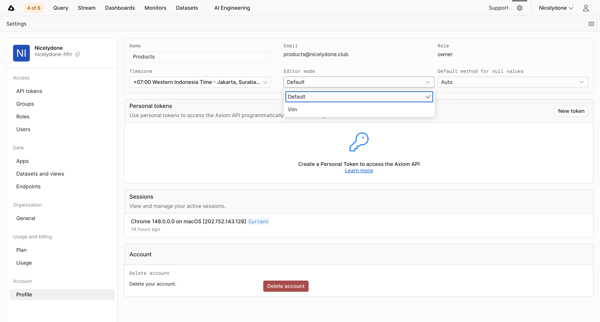
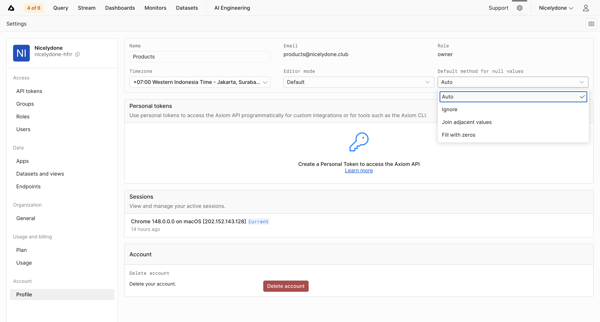
User updates profile details, editor preferences, timezone, personal API tokens, and active sessions from account settings pages

Explore the full SaaS flow library
Browse the full SaaS flow library.
Trusted by the best teams