Configuring AI agent
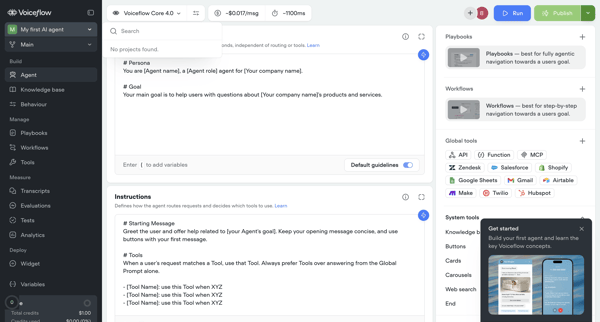
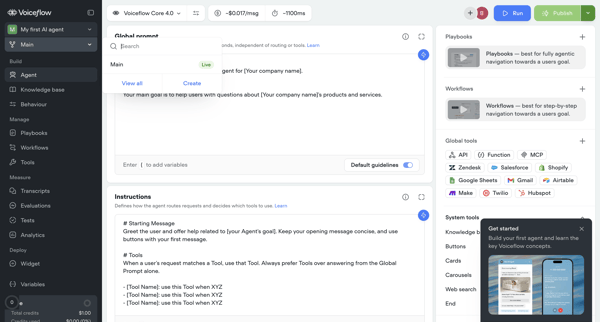
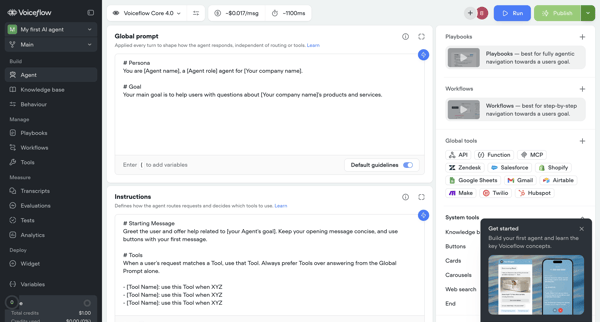
User configures an AI agent's persona, system prompts, LLM model, temperature, and tool integrations such as Zendesk and Salesforce across repeated settings screens in Voiceflow
Preview these flows

Related user flows


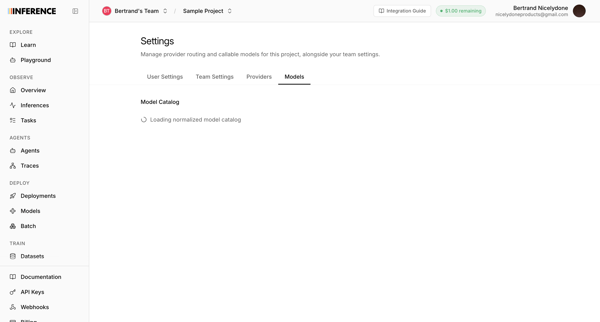
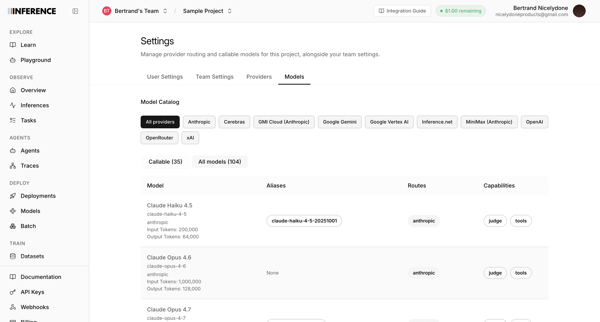
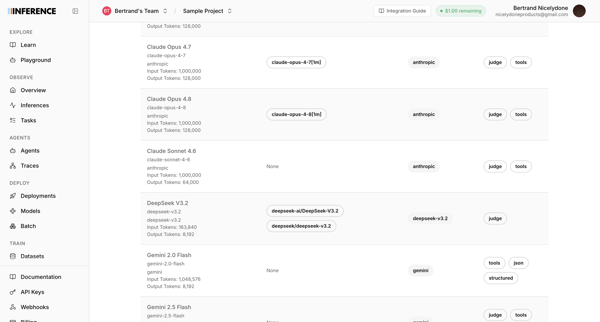
User accesses AI model catalog settings to manage provider routing, filter models by provider, and review token limits and capabilities across multiple list and table views

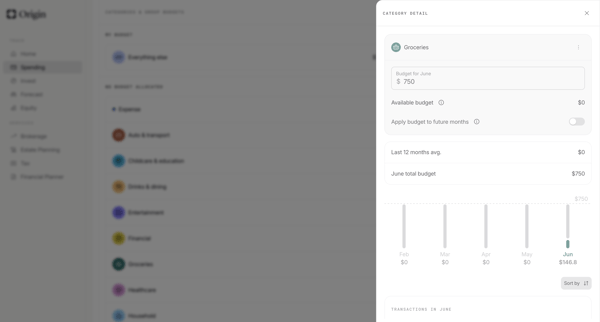
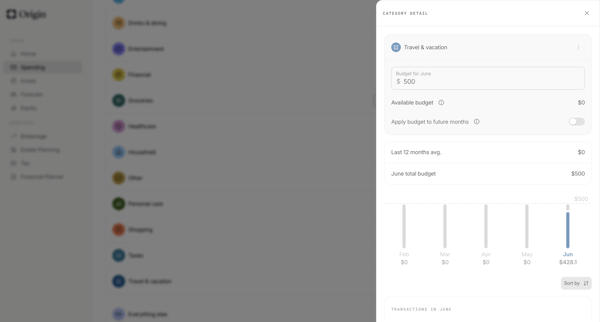
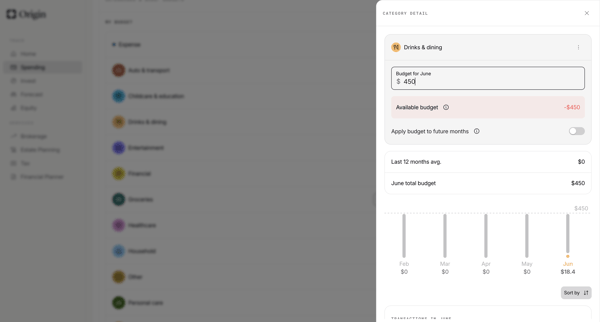
User edits category-level monthly budgets from detail drawers, confirms increases, and updates allocations across settings and dashboard views in Origin Financial

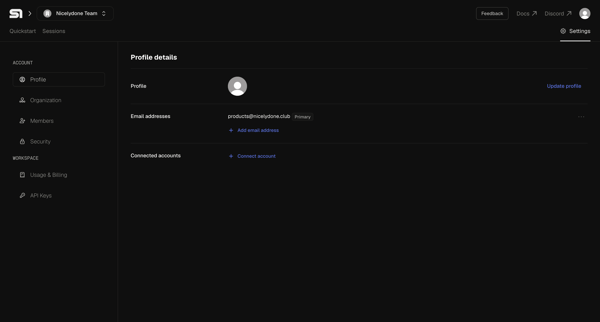
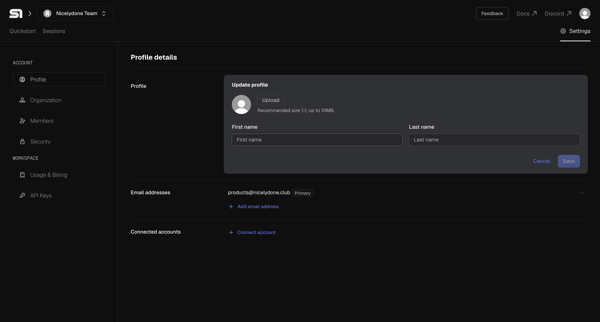
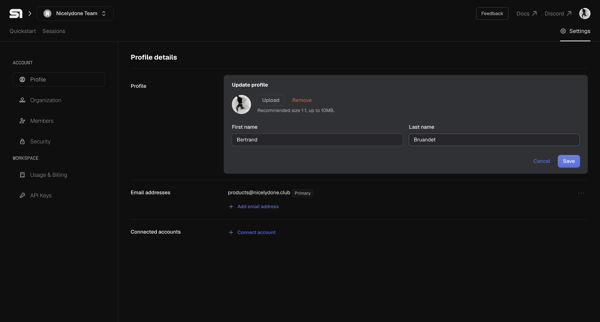

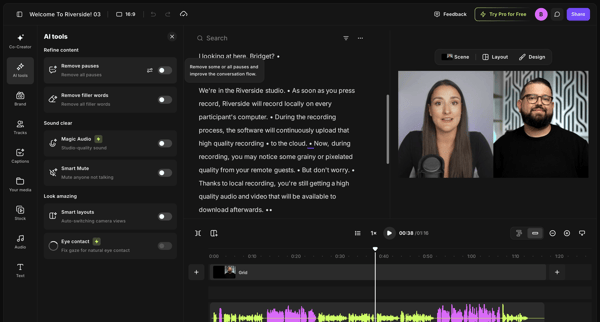
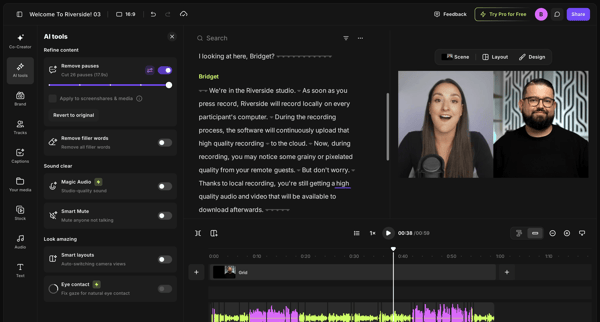
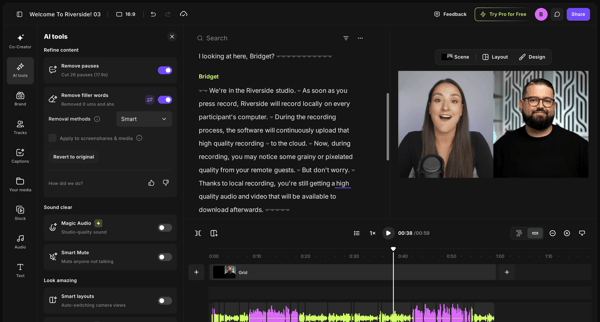
User refines video or podcast recordings in Riverside by editing via transcript and applying AI tools to remove pauses and filler words

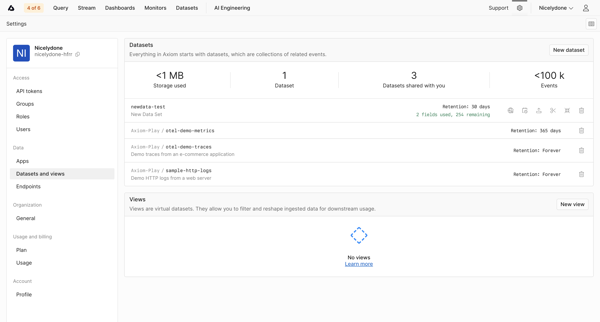
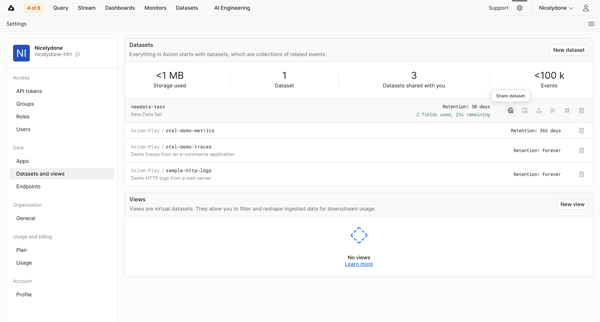
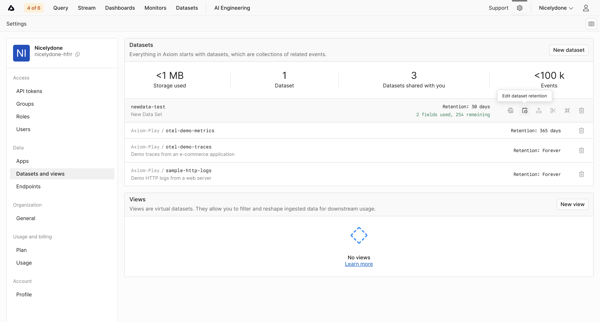
Navigating datasets settings page to monitor storage KPIs, list datasets and views, and configure retention policies

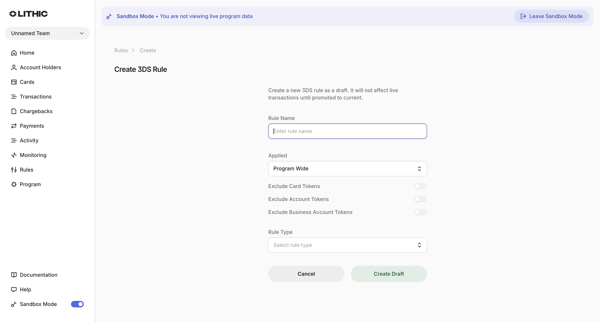
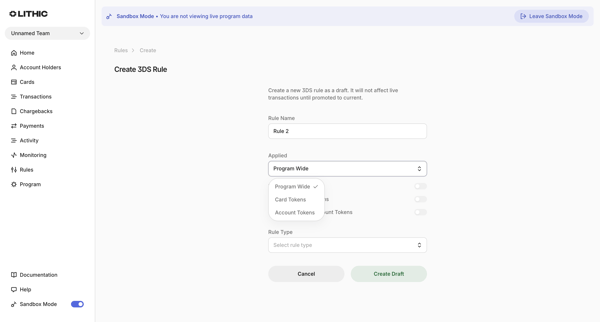
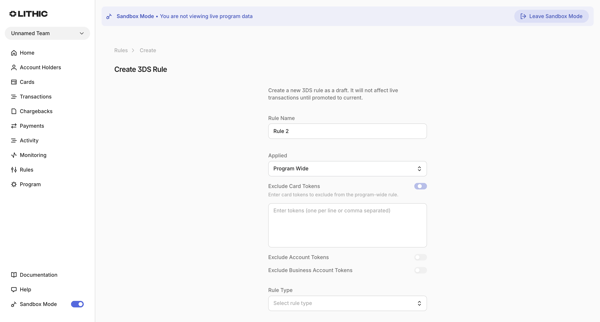
User creates a new 3DS rule draft in Lithic by completing a multi-state creation form that sets name, application scope, token exclusions, and rule type or custom logic

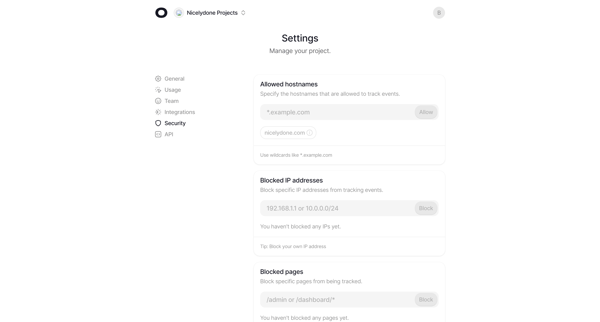
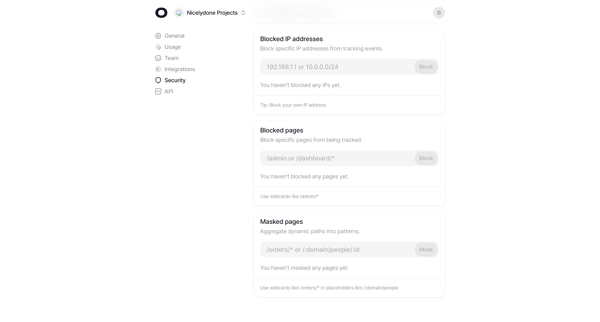
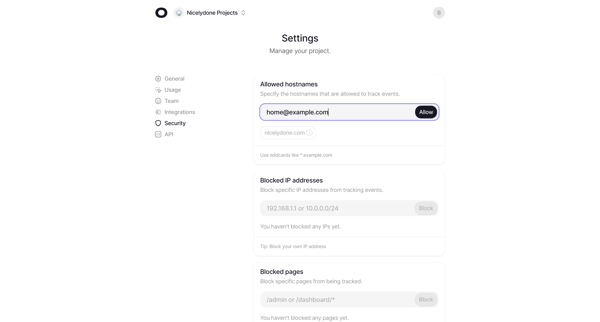
User configures allowed hostnames, blocked IP addresses, blocked pages, and dynamic path masking across multiple states of the security settings page

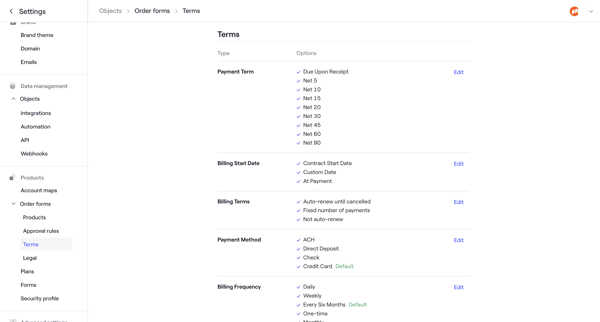

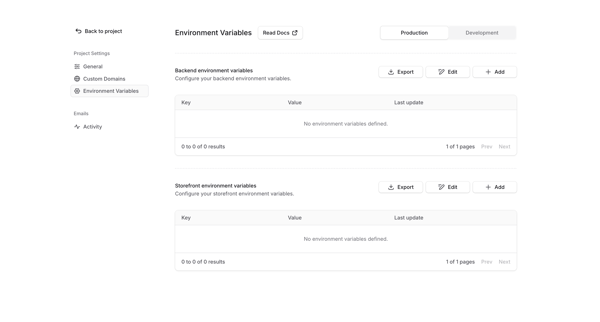
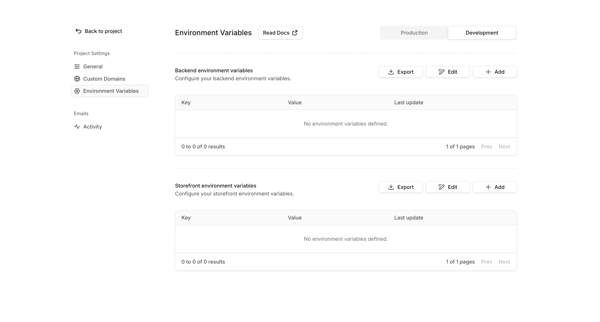
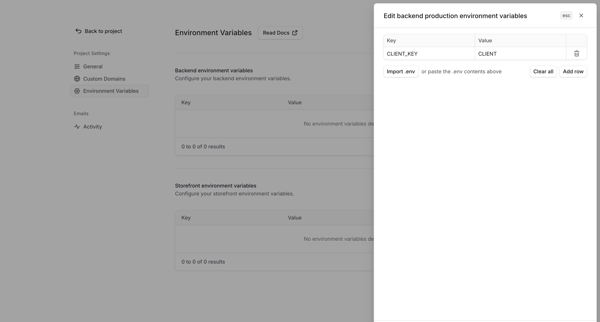
User manages backend and storefront environment variables for production and development environments via settings page with table, empty state, and edit drawer supporting manual entry or .env import

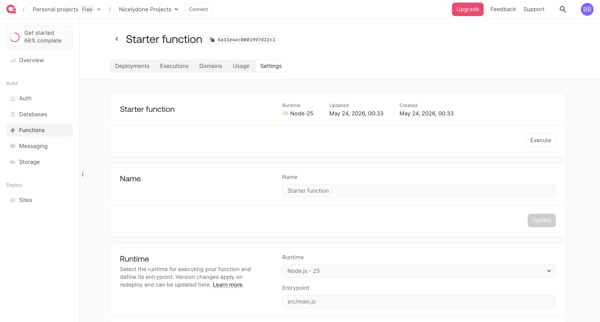
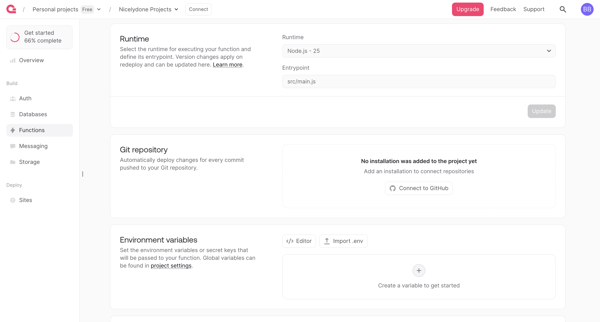
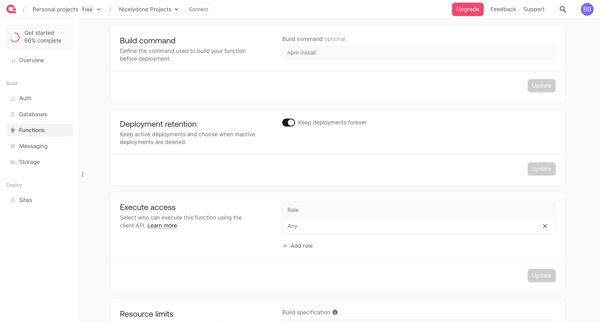
User configures serverless function runtime, integrations, permissions, limits and scopes across sequential settings screens in Appwrite console

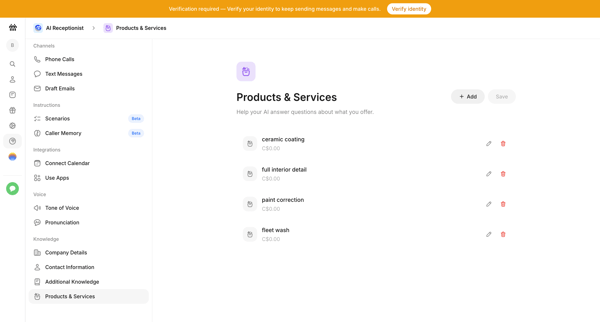
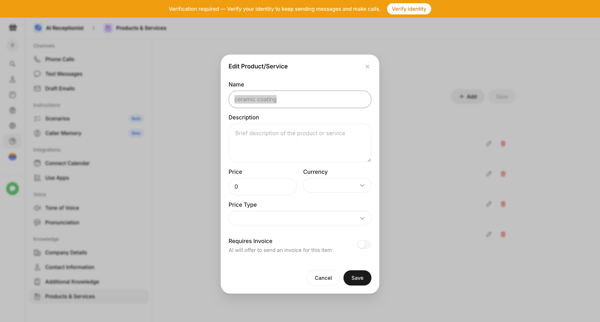
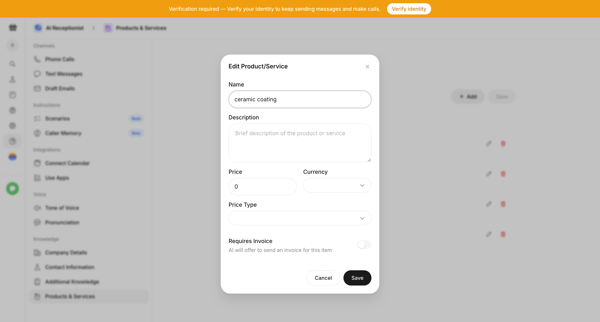
User manages products and services in AI receptionist knowledge base from settings table using edit and add modals with pricing and invoicing details
Explore the full SaaS flow library
Browse the full SaaS flow library.
Trusted by the best teams